
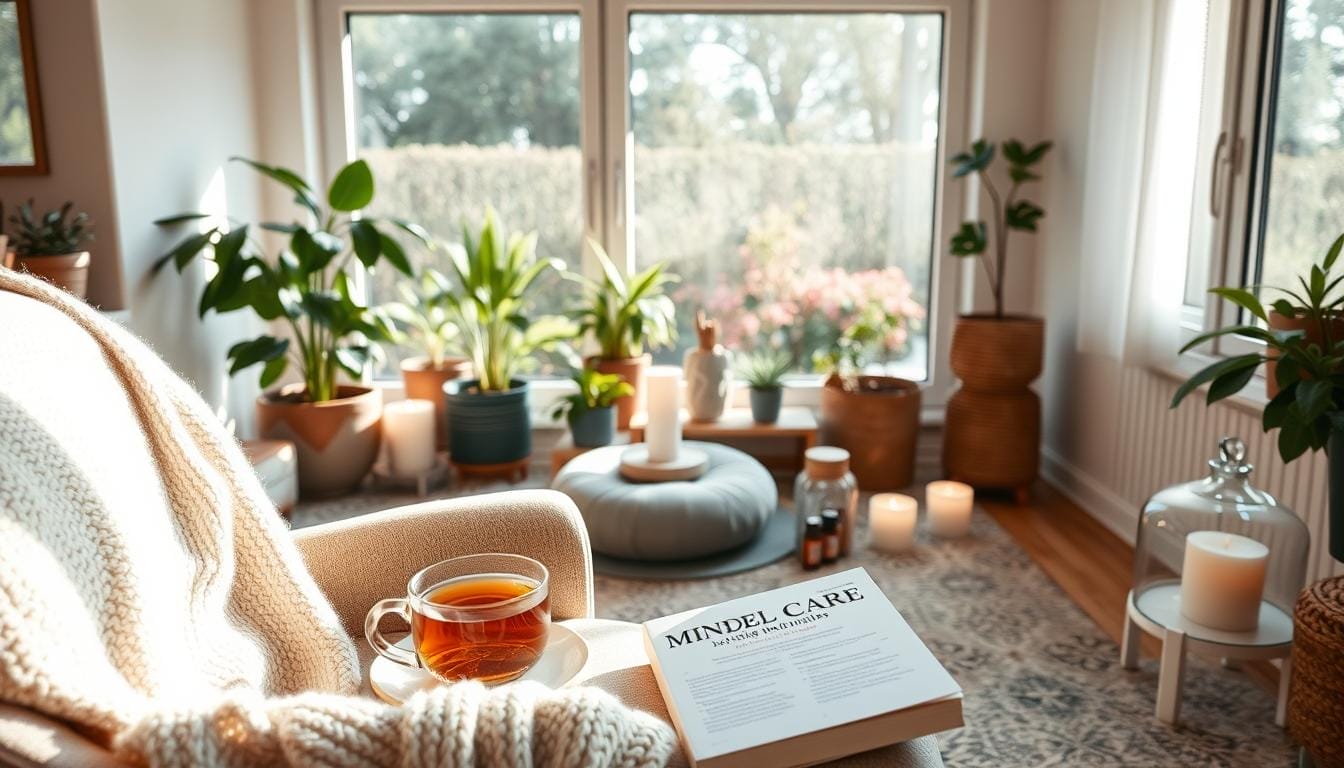
Surprising fact: studies show people who build small daily routines cut burnout risk by nearly 40%.
I treat care as essential, not a luxury. I found that simple habits lift my mind, boost my energy, and protect my health and wellness.
I keep my steps short and repeatable. When stress climbs, I pick one easy activity that fits my time and my day. These moves restore focus and calm quickly.
My list covers physical routines like sleep and movement, mental resets like learning or journaling, emotional checks, social connection, and spiritual meaning. I used science-backed tips—hydration, screenings, and consistent sleep—that have real benefits over days and weeks.

I invite you: choose one small action today. Notice the shift. Over time, these choices help me show up better for the people I love and for my life.
Key Takeaways
- Small, repeatable actions reduce burnout and restore energy.
- Practical routines support mind, body, and overall wellness.
- Watch early signals—fatigue or irritability—and act quickly.
- Science-backed habits like sleep and hydration deliver real benefits.
- Free resources, e-books, and webinars can boost skills and motivation.
What Self-Care Means to Me and Why It Matters
Building small routines gave me a reliable rhythm that keeps overwhelm from taking over. I define caring as a set of purposeful practices that support my mind, body, emotions, and relationships so I function well, not just get by.
I see this as a daily system that guards my energy. When stress or anxiety drains my “battery,” I notice fatigue, irritability, or negative thoughts as early signals. Those signs tell me it’s time for a simple choice that restores balance.
Self-care as purposeful strategies for healthy functioning
I focus on concrete actions: sleep, movement, fueling my body, mental stimulation, and brief check-ins with people I love. The WHO says such habits can promote health and help cope with illness. These things add up.
How caring for body and mind reduces stress and builds resilience

Research-backed habits—regular exercise, consistent sleep, and a sense of purpose—offer real benefits for longer life and better coping. I tailor each item to fit my time and energy, so care stays doable.
| Part | What I do | Benefits |
|---|---|---|
| Body | Sleep, movement, preventive checkups | More energy, less stress, steady health |
| Mind | Reading, puzzles, compassionate self-talk | Sharper focus, lower anxiety, clearer thinking |
| Relationships | Short face-to-face time, meaningful check-ins | Stronger bonds, emotional support, improved wellness |
Ways to Practice Self-Care: My Daily Go-To List
Quick, repeatable actions help me regain calm and carry on with work and life. When exhaustion, loss of focus, or irritability shows up, I pick a short reset that fits the moment.
Quick resets that recharge my “battery” when stress hits
I keep a tiny menu of fast activities I can use any time of day: 60 seconds of box breathing, a glass of water, or five minutes outside for fresh air. These moves restore energy and clear my head so I can return to work.

Healthy indulgence vs. true care (avoiding the pitfalls)
I avoid treats that later raise stress—overspending, late-night snacking, or extra drinks. Those quick comforts can harm health and relationships over days. I choose actions that actually help me feel better.
Small steps that fit into busy days without adding pressure
- I use brief techniques: two-minute stretches, 5-10 minute no-scroll breaks, or a short walk at lunch.
- I schedule tiny check-ins with others—a supportive text or a quick call—to nourish connection.
- I protect my attention by turning off notifications after work and tracking sleep, water, and movement.
Physical Self-CCare that Fuels My Energy and Sleep
Building clear habits for sleep, movement, and nutrition gave me real stamina. I focused on actionable steps that fit my life and time. That made care doable on busy days.
Sleep routines that help me wake restored
I protect sleep with a wind-down plan: a steady bedtime, dim lights an hour before, and a no-screens cutoff. Quality sleep anchors my energy and sharpens mental focus the next day.
Movement I actually enjoy and stick with
I pick movement that fits my mood—walks with music, short strength circuits, or a yoga flow. I aim for about 30 minutes of activity five days a week and track small goals like “move 10 minutes before lunch.”
Food, hydration, and preventive health check-ins
I set simple fueling goals: half my plate fruits and veggies, a protein source, and eight glasses of water most days. I book routine checkups and screenings on a recurring plan so health stays current.
Tracking signals: when my body needs extra care
I watch for persistent soreness, headaches, or unusual fatigue as cues to tweak sleep, hydration, or exercise. I keep gear ready and revise my plan monthly, giving credit for consistency over intensity.
Mental and Emotional Self-Care to Calm My Mind and Manage Stress
I invest short pockets of time in activities that sharpen my thinking and soothe my feelings. These small moves protect my mind and reduce tension quickly.
Brain boosts: learning, puzzles, reading, and mindful media
- I feed my brain with a chapter, a daily puzzle, or a five-minute micro-course to support my mental self-care.
- I curate media that lifts rather than drains me and unfollow sources that spike stress.

Processing emotions with compassion, gratitude, and humor
I journal feelings, name needs, and write a short gratitude list each evening. This emotional self-care helps me accept hard moments and notice small steady gains.
Boundaries that protect my time, energy, and attention
I turn off pings after work, batch messages, and say no when I’m full. These limits lower anxiety and keep my relationships healthier.
When I reach out to a counselor or support group
I watch for lasting low mood or tension that affects work, sleep, or the body. Then I seek professional support or a peer group without delay.
| Focus | Short action | Benefit |
|---|---|---|
| Learning | Read 10 minutes or try a daily brainteaser | Sharper focus, confidence boost |
| Emotion | Gratitude list or brief journal entry | Less rumination, steadier mood |
| Boundaries | Turn off notifications after hours | Lower anxiety, better sleep |
When I need quick regulation, I use breathing techniques or a grounding scan. For deeper help, I follow trusted stress-relief techniques and reach out for support.
Social and Spiritual Self-Care to Nurture Connection and Purpose
Close, regular connection has been one of the clearest boosts for my mood and resilience. I plan short face-to-face moments when I can, and I add quick phone check-ins with a friend or family member when time is tight.
I prioritize uplifting relationships by asking for help when I need it and offering support in return. Mutual care strengthens bonds and supports my health.
Face-to-face time, phone check-ins, and community belonging
I notice the CDC link between loneliness and poorer health, so I keep a short list of community spaces where I belong. A neighbor group, a faith circle, or an interest meetup helps me feel anchored.
Uplifting relationships, asking for help, and tech limits
I set clear boundaries: no doomscrolling at night and time-limited social apps. This keeps my connections nourishing, not draining, and preserves energy for friends and family.
Reflection, nature, prayer or meditation, and meaning-making
I weave spiritual moments into my week—reflection, prayer, or quiet time in nature. These practices steady my inner life and add meaning to everyday work and body care.
| Focus | Short action | Benefit |
|---|---|---|
| Connection | Lunch with a colleague or a 10-minute check-in call | Stronger relationships, less isolation |
| Boundaries | Limit social apps after 9 PM | Better sleep, clearer attention |
| Spiritual | Walk in nature or 5-minute meditation | Greater calm, renewed purpose |
I measure success by how replenished I feel after time with friends and family. When interaction leaves me drained, I adjust my mix and protect my wellness.
For more on spiritual approaches that have helped me, I often refer to a short guide on spiritual self-care.
My Self-Care Plan: Simple Steps to Make It Stick
I mapped out my usual obligations and matched each with one small, helpful action. This made planning honest and useful. I assessed work, family, school, and relationships and noted what drained energy most.
Assess needs, spot stressors, and choose one doable action
I list key areas and mark what’s working and what’s not. Then I pair major stressors—tight deadlines, late nights, skipped meals—with one short action I can do today.
- I set clear goals like “lights out by 10:30” or “walk 10 minutes at lunch.”
- I schedule these items on my calendar so they earn real time.
- I keep one visible page with daily activities and a tiny reflection box.
Plan for challenges and adjust with life changes
I build backups for busy travel days or sick weeks—five-minute activities that preserve momentum. I add boundaries: no notifications after 7 p.m. and a hard stop for work.
Weekly reviews help me celebrate what stuck and revise goals. I involve friends or family when it helps, like a walking partner or shared cooking night.
For a short guide of ideas I often refer friends to, I link a helpful list here: simple care ideas.
Level Up Your Learning: Free Webinars and Resources I Use
Short, focused lessons gave me clear tools I could use the same day. Learning and mental stimulation count as vital boosts for my mood and energy. I treat courses and guided reading as part of my mental health toolkit.
Explore e-books, courses, and web design resources that support wellness
I use curated e-books and micro-courses as gentle self-care practices that keep my mind engaged. These activities support my mental health while I learn at my own pace.
Don’t miss the FREE webinars
I join live sessions for quick, actionable tips and for expert support. For regular webinars I check this short list and I also register for events at mindful wisdom webinars when topics match my goals.
- I bookmark evidence-based activities—guided journals, brain teasers, and mindfulness exercises—that translate into practical tips I can use at work and at home.
- I set simple learning goals: one micro-lesson each day so progress feels steady, not overwhelming.
- I treat professional trainings as part of my plan, since upskilling reduced friction at work and raised my confidence.
| Resource type | How I use it | Immediate benefit |
|---|---|---|
| E-books & guides | Quick chapters on stress, goal-setting | New tips I can test tonight |
| Micro-courses | One lesson per day, 10–20 minutes | Skill gains without burnout |
| Webinars | Live Q&A and templates | Actionable advice and support |
| Brain teasers & journals | Daily five-minute entries or puzzles | Sharper focus and calmer thinking |
Rocket your skills: I also explore web design and workflow tools that save time and reduce decision fatigue. For free, timely webinars that helped me level up, I often visit digitals.anthonydoty.com and join sessions that match my interests and goals.
Conclusion
I close each week by naming one small intention that helps me show up better the next day.
I know that a few tiny actions across days reduce stress and build health. I pick one short activity I enjoy and set the time so it actually happens.
I balance mental self-care, emotional self-care, and social self-care so the benefits touch every part of my life. I protect sleep, add a bit of exercise I like, and call a friend or family member this week.
I reassess often, keep what restores energy, and celebrate progress over perfection. Rocket your skills with our digital library—visit digitals.anthonydoty.com for e-books, courses, and FREE webinars that refine these self-care practices.
FAQ
What does self-care mean to you and why does it matter?
I see self-care as purposeful strategies that help me function well in daily life. Caring for my body and mind lowers stress, boosts resilience, and improves relationships, work quality, and overall wellness.
How do I recharge quickly when I feel overwhelmed?
I use quick resets like focused breathing, a five-minute walk, or a short gratitude pause. These small actions calm my nervous system, restore energy, and help me return to tasks with clearer focus.
How can I tell healthy indulgence from activities that only feel good short-term?
I ask whether the choice supports my long-term goals and health. True care restores energy and reduces anxiety; short-term indulgence often leaves me depleted or distracted from meaningful goals.
What small steps fit into a busy day without adding pressure?
I pick micro-habits: hydrate first thing, stretch for three minutes, set a 10-minute reading break, or send a quick text to a friend. Tiny wins build momentum without overwhelming my schedule.
What sleep habits help me wake up refreshed?
I keep a consistent bedtime, dim screens an hour before sleep, and use a simple wind-down routine like light reading or gentle stretching. Consistency matters more than perfection.
How do I find movement I enjoy and actually stick with?
I experiment with different activities—walking, dancing, yoga, or cycling—until something feels fun. I schedule movement like an appointment and prioritize consistency over intensity.
What role do food and hydration play in my energy and mood?
Balanced meals, regular hydration, and routine preventive care keep my body stable and my mind clearer. I focus on whole foods, steady protein, and water across the day to avoid energy crashes.
How do I notice when my body needs extra care?
I track signals like persistent fatigue, sleep disruption, increased aches, or changes in appetite. When these patterns show up, I slow down, rest more, and seek medical guidance if needed.
What mental activities boost my brain and reduce stress?
I mix learning, puzzles, reading, and mindful media into my routine. These practices sharpen attention, lift mood, and provide healthy stimulation that counters anxiety.
How do I process emotions with kindness toward myself?
I name feelings, allow them without judgment, and use techniques like journaling, gratitude lists, and humor. Compassionate self-talk helps me move through emotions rather than getting stuck.
How do I set boundaries that protect my time and energy?
I state clear limits, use polite refusals, and schedule focused work and rest. Saying no when needed preserves my attention and prevents burnout in relationships and at work.
When should I reach out to a counselor or a support group?
I seek professional help when emotions interfere with daily function, when anxiety or depression persists, or when I need tools to cope. Support groups help me feel less isolated and offer peer strategies.
How do I nourish relationships without overextending myself?
I prioritize uplifting connections, ask for help when I need it, and set tech limits during shared time. Regular phone check-ins or short in-person visits maintain belonging without draining my energy.
How do spiritual or reflective practices fit into my routine?
I use nature walks, meditation, prayer, or quiet journaling to find meaning and calm. These moments center me, clarify values, and sustain purpose beyond daily tasks.
How do I create a self-care plan that actually sticks?
I assess my needs, identify main stressors, and choose one doable action to start. I plan for setbacks, adjust as life changes, and celebrate small progress to build lasting habits.
What resources do you recommend for learning more about wellness?
I explore free e-books, online courses, and trusted wellness blogs. I also attend webinars—like the free sessions at digitals.anthonydoty.com—for practical tools on mental health, habits, and design for wellbeing.


