
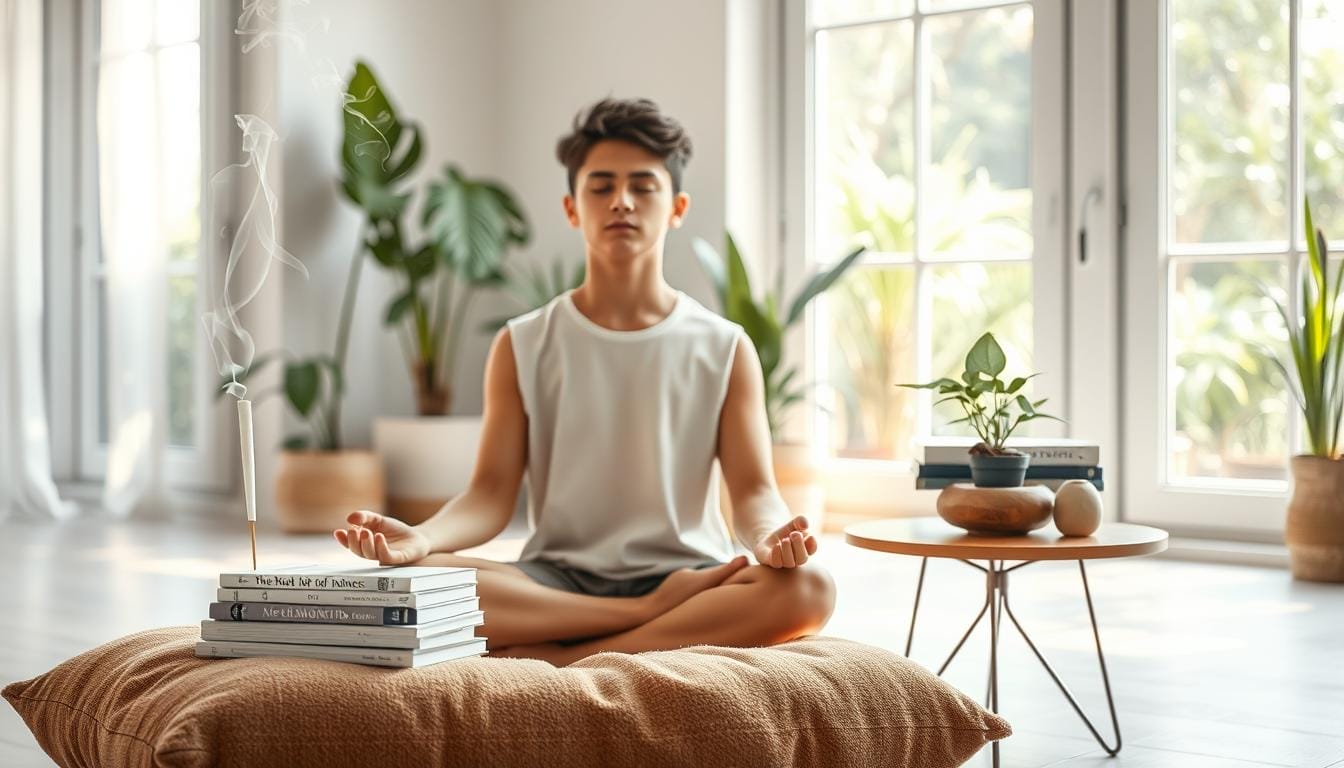
Surprising fact: I learned that nearly one in five adults in the U.S. reports a recent struggle with mental health, a scale that changes how I plan my day and long-term goals.
I set a calm tone each morning with simple steps that guard my health and sharpen focus. I keep routines short so they fit busy schedules. Small resets of one minute help me when time is tight. Longer rituals shape my life over weeks.
I outline what works and why, drawing on trusted sources that guide emotional, social, and psychological care. I use clear tips I test myself, and I link each action to a goal so the steps feel meaningful.
My aim is to give easy ways to care for your strength without overwhelm. I also share tools I use, plus reminders that consistency creates change.

Key Takeaways
- Short, regular steps can protect mental health and overall health.
- One-minute resets help on busy day schedules.
- I recommend clear, testable tips that link to life goals.
- Trusted toolkits back practical choices and long-term gains.
- Consistency matters: small efforts add up over time.
What Mental Wellness Means for Me Today
I believe mental health shows up in small moments: how I think, how I feel, and how I connect with others. That daily balance shapes my energy, choices, and overall health.
Understanding emotional, psychological, and social well-being
I define mental health as the balance of emotions, thoughts, and relationships that shape my life. I check in by asking whether my feelings feel flexible and whether I feel connected to family and others.

I keep a short list of evidence-based tips from NIH, CDC, MedlinePlus, and SAMHSA. Then I adapt those practices to fit my time and energy that day.
When to seek professional support
I watch for signs that I need to manage stress differently—persistent worry, irritability, or trouble focusing. If stress or anxiety interferes with work, sleep, or relationships for more than a couple of weeks, I ask for help.
- I treat care as a strength and plan simple practices I can return to.
- I use body‑mind signals as data to decide which ways to seek support.
- I keep one clear step to take when time is tight: reach out to a trusted person or a professional.
Wellness practices for mind I use every day

Small, repeatable habits help me reset fast when a day feels out of balance. I keep each step short so I can use it between tasks and still get benefits.
Mindful minutes: simple breathing exercises to reset my mood
I use one to three mindful minutes with gentle breathing to cue calm. I count a slow inhale for four, hold softly, then lengthen the exhale. This box-style breathing helps me reduce stress without gear or long sessions.
I often pair that with a brief meditation by focusing on breath sensations for a few minutes to center my attention.
Practice gratitude to boost energy and perspective
I list three small specifics—people, wins, or moments—each day. That quick practice gratitude habit lifts my energy and widens perspective.
Spending time in nature for relaxation and stress relief
I schedule short walks or just stand under a tree when I can. Spending time outdoors supports relaxation and can boost mood faster than I expect.
- I build micro-activities into my day so these activities stick.
- I track what reduces stress fastest and reach for that tool.
- To learn more guided steps, see the mindfulness exercises guide.
Move, nourish, hydrate: body-first steps that calm my mind
Physical steps reset my energy and help me think more clearly throughout the day. I treat the body as the first place to act when stress appears. Small choices in movement, food, and water shape my physical health and support mental health.

Exercise that lifts mood and helps manage stress
I keep exercise short and accessible. Even a ten-minute walk raises endorphins and can boost mood fast.
I rotate walking, light strength moves, and gentle stretching so the body stays engaged without extra time or gear.
Balanced diet choices that support steady focus
I plan simple meals with vegetables, lean protein or legumes, whole grains, and healthy fats. That balanced diet keeps energy steady and cuts mood swings.
I avoid skipping meals and reduce sugar, refined carbs, and trans fats to limit fatigue and irritability.
Stay hydrated: why water matters to focus and energy
I keep water near me and aim for about eight glasses a day. Mild dehydration dulls attention and saps energy.
Small habits—one more cup, one more serving of plants, one short walk—help my body and life feel more resilient.
“Regular movement and good nutrition give me a reliable base to manage stress and carry on with daily life.”
- Quick step: a short walk to boost mood and reset.
- Simple meals: vegetables + protein + whole grain each time.
- Hydration: keep water in reach and sip often.
Note: I use these small habits as repeatable actions that link body care to clearer thinking and better physical health.
Sleep and routine: the schedule that steadies my day
I protect my energy by treating bedtime like an essential appointment on my calendar. A steady schedule gives structure to each day and reduces daily stress.
7-8 hours: building a wind-down ritual that actually works
Most people need about 7-8 hours of good rest. I aim for that range because my body and attention perform better with reliable sleep.
I set a short wind-down: dim lights, unplug screens, stretch, and write one quick line in a journal. These cues help my brain shift into relaxation and make falling asleep easier.
Creating a consistent wake-sleep schedule to reduce stress
I wake and go to bed at the same times every day. Blocking this time on my calendar makes sleep non-negotiable.
- I aim for 7-8 hours: a steady target that improves focus and mood.
- Wind-down routine: dim lights, unplug devices, gentle stretch.
- Room setup: keep the space dark and comfortably cool to boost quality.
- Protect screen-free time: swap scrolling for a short journal or breathing.
- Plan and track: I block sleep like work and note which habits help me fall asleep faster.
“Better sleep is one of the most powerful, accessible ways to improve health, focus, and mood.”
Quick tip: Treat your schedule as a tool. Small, regular habits build a steady night and a calmer life.
Connection and calm: people, practices, and tools I rely on
A quick call or walk with someone I care about has become my go-to reset. I use short social steps to reduce stress and feel grounded in daily life.
Friends and family: staying socially connected to reduce stress
I lean on friends and family because regular contact helps me gain perspective and feel supported by others who care. I schedule simple activities like a walk or a 10-minute check-in call so connection fits into my time.
Guided meditation, yoga, and unplugging to relax my mind
I use guided meditation, mindfulness breathing, and short yoga stretches to increase relaxation and reduce stress quickly. A five-minute session or an unplugged break often shifts my energy and eases anxiety.
Evidence-based toolkits I trust
I return to NIMH Wellness Toolkits, CDC guidance on emotional well-being, and SAMHSA tips when stress spikes. These resources give clear steps to manage stress and stay connected.
My go-to digital library for e-books, courses, and free webinars
To deepen skills, I use our digital library for short courses and free webinars. These resources teach new ways and steps to support mental health and daily life. Boost your skills with curated e-books and live talks that fit busy schedules.
Learn more with a helpful summary on the benefits of mindfulness: benefits of mindfulness.
“One simple text, one short meditation, one shared walk—small actions keep me grounded.”
| Tool | How I use it | Quick benefit |
|---|---|---|
| NIMH Wellness Toolkit | Checklists and short guides | Clear steps to reduce stress |
| CDC guidance | Tips on emotional connectedness | Practical ways to stay linked |
| SAMHSA resources | Phone and community options | Fast access to support |
| Digital library | E-books, courses, free webinars | Skill boost and inspiration |
Conclusion
Quick reminder, I wrap up with one simple rule: pick small, repeatable actions that fit your day.
I keep a short plan: protect 7–8 hours of sleep, pick one habit to track, and take regular breaks that reduce stress.
I choose one activity at a time—an extra glass of water, five minutes of mindfulness or a short walk in nature—to build momentum and support my mental health.
When I need evidence-based tools, I consult an evidence review on mind-body interventions to guide choices like meditation, movement, and spending time outdoors.
I make it simple: set a schedule, protect sleep, eat balanced meals, move the body, and reach out when anxiety shows up. Small habits done every day change life.
FAQ
What does mental wellness mean for me today?
Mental wellness means I feel able to manage daily stress, keep relationships healthy, and make clear decisions. I focus on emotional balance, cognitive clarity, and social connection. If I notice persistent anxiety, shifts in mood, or trouble functioning, I consider reaching out to a licensed mental health professional such as a psychologist or psychiatrist.
How do I know when to seek professional support if stress or anxiety persist?
I seek help when stress affects my sleep, work, relationships, or daily routines for more than two weeks. I get immediate support if I experience suicidal thoughts, severe panic attacks, or trouble caring for myself. Trusted resources include the National Institute of Mental Health (NIMH), Centers for Disease Control and Prevention (CDC), and Substance Abuse and Mental Health Services Administration (SAMHSA).
What simple breathing exercises can I use to reset my mood?
I try the 4-4-6 breath: inhale 4 seconds, hold 4, exhale 6. I also use box breathing—4 counts each for inhale, hold, exhale, hold. Doing these for five minutes calms my nervous system and improves focus. I keep a timer or a guided app like Calm or Headspace for structure.
How does practicing gratitude boost my energy and perspective?
I write three things I’m grateful for each morning or before bed. This shifts attention from what’s lacking to what’s working, lifts my mood, and increases resilience. It takes a few minutes but creates a noticeable change in how I approach my day.
Why is spending time in nature important for stress relief?
Being outside lowers my cortisol, eases anxiety, and refreshes my focus. Short walks in a park, gardening, or sitting near water reduces mental fatigue. I aim for at least 20 minutes a day to feel the benefits.
How does exercise help manage stress if I only have a short time?
Even a 10–20 minute brisk walk or a quick bodyweight circuit boosts endorphins and clears my head. I make it doable by scheduling it like a meeting and wearing comfortable shoes. Consistency matters more than duration.
What balanced diet choices support mental health?
I choose whole foods: leafy greens, fatty fish rich in omega-3s, nuts, legumes, and whole grains. Regular meals with protein and fiber stabilize blood sugar and mood. I limit highly processed foods and excessive caffeine, which can worsen anxiety and disrupt sleep.
How does staying hydrated affect my focus and energy?
Dehydration reduces concentration and increases fatigue. I keep a reusable water bottle nearby and aim for regular sips throughout the day. Small habits like tracking intake on my phone help me maintain steady hydration.
What does a wind-down ritual for 7–8 hours of sleep look like?
I start one hour before bed with low-light activities: reading, gentle stretches, and a warm shower. I avoid screens and heavy meals close to bedtime. Consistent timing and a calm routine signal my body it’s time to rest, improving sleep quality.
How do I create a consistent wake-sleep schedule to reduce stress?
I choose a bedtime and wake time I can keep daily, including weekends. I adjust gradually—15–30 minutes at a time—until I reach my target. Consistency helps regulate my circadian rhythm and lowers daily tension.
How can friends and family help reduce my stress?
I share honestly about how I feel and ask for specific support, like a check-in call or help with errands. Social connection gives me perspective, validation, and practical help. I also set boundaries when I need space to recharge.
Which guided practices should I use to relax my mind?
I rotate guided meditation, restorative yoga, and brief digital detoxes. Apps like Insight Timer and Yoga with Adriene offer free sessions. Regular practice trains my attention and reduces reactivity to stressors.
What evidence-based toolkits do I trust?
I rely on resources from the NIMH, CDC, and SAMHSA for reliable information and referrals. They offer toolkits on coping, crisis support, and self-care that align with clinical guidance and public health recommendations.
Where can I find quality e-books, courses, and free webinars?
I use public libraries’ digital services, Coursera, edX, and nonprofit webinars from organizations like the American Psychological Association. I look for courses led by licensed clinicians or accredited institutions to ensure credibility.


